
"I came expecting a guided tour. I left with a family. The Unlock challenge broke down every wall — by the end of the day, we were swapping numbers."
North Vietnam · 2D1N
Sa Pa · Lai Châu
$193 /person
Private car + driver. Sit back, watch the pass unfold through the window.
Book Car Tour →
No payment now. Spot held, pay 14 days before. Free cancellation up to 7 days out.
Trip info
Meeting point
Old Quarter, Hanoi · 21:30
Meals
Breakfast, lunch, dinner × 2 days
Transportation
Sleeper bus + private car
Accommodation
Homestay A Pao · Sì Thâu Chải
Guide
Dedicated host, full trip
Maximum altitude
2,050m · Đèo O Quy Hồ
Elevation gained
~450m (jungle trek, Day 2)
Best season
Oct – Apr
Free cancellation
Up to 7 days before
Unlock Challenge
Included
The pitch
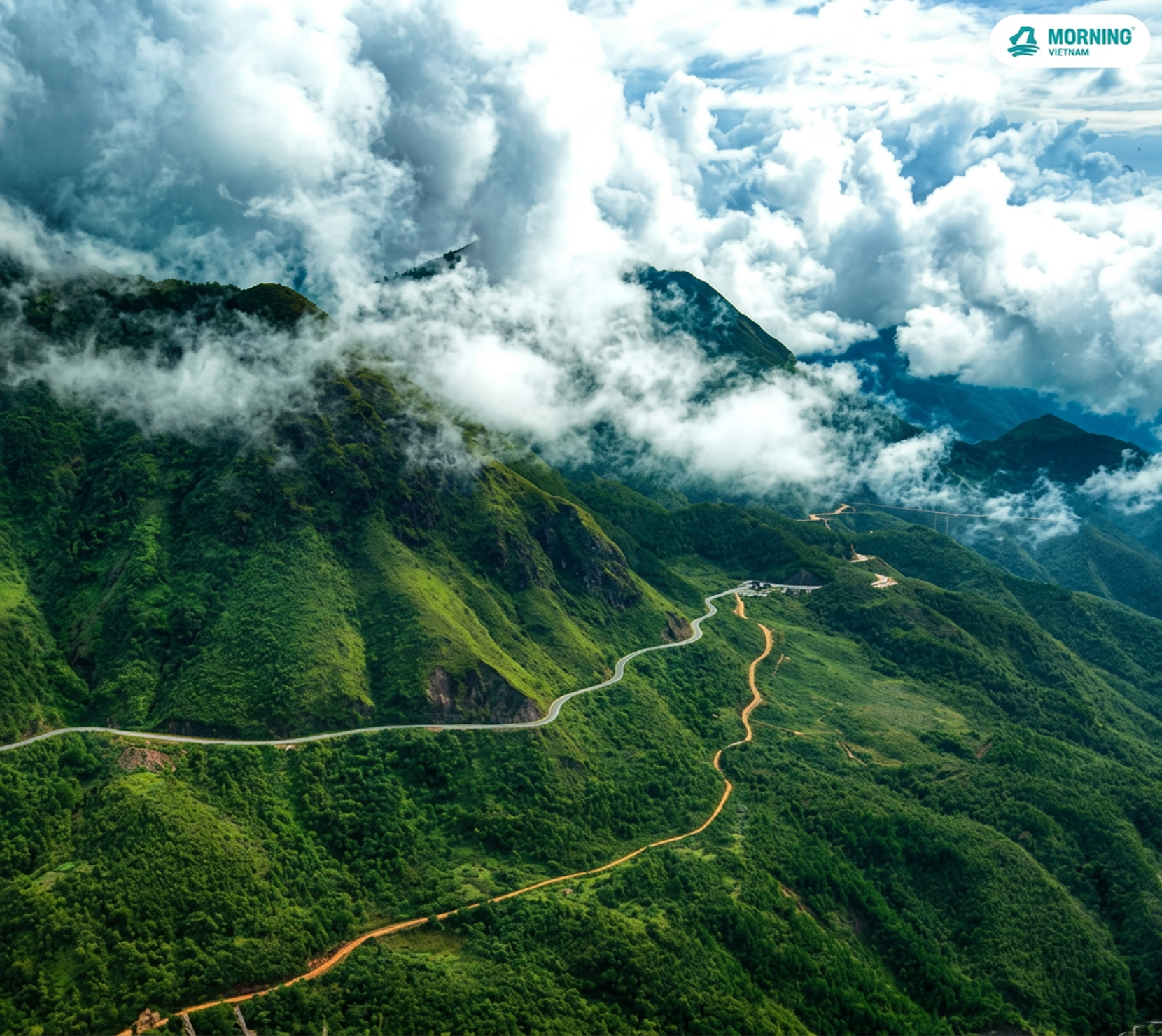
The road over Vietnam's highest mountain pass — into a valley most travellers have never heard of.
Sa Pa gets crowded. Mù Cang Chải gets Instagrammed. Lai Châu doesn't. Not because it's less spectacular — because the only way in crosses O Quy Hồ, Vietnam's highest mountain pass at 2,050 metres, and coaches can't make that run. We can.
Day 1 takes you over the pass, through a limestone cave, into a working Hmong village where the blacksmith still forges tools by hand, across a river gorge to a waterfall, and ends in a Dao village homestay that has never appeared on a hotel booking platform.
Day 2 starts in that same village — exploring its century-old wooden houses — before a 6-hour jungle trek through tropical forest with lunch cooked and eaten on the trail. The afternoon lands you on a glass bridge at 900m above the Lai Châu valley as the light turns gold.
Car or motorbike. The route is the same. The feeling is different. Choose accordingly.
Two days. One mountain pass. A valley most tourists will never find.
Worth it?
From $193. For a route that exists outside the tourist circuit entirely.
There is no Klook listing for O Quy Hồ. No GetYourGuide page for Sì Thâu Chải. The glass bridge at Rồng Mây only opened in 2023 and still has no English-language operator running it properly. We built this route because the northwest deserves better than what the standard Sapa circuit offers.
The price covers sleeper bus both ways, transport all day, all meals, a fully-hosted village homestay, jungle trek with trail lunch, glass bridge entry, Unlock Challenge, and a dedicated host for 48 hours. The only thing not included is whatever you buy at the Sa Pa night market on Day 2.
| Typical tour | Morning Vietnam | |
|---|---|---|
| Real experience time | ~4 hrs | ~20 hrs across 2 days |
| Route | Sapa loop | Sapa → Lai Châu exclusive |
| Max altitude | ~1,600m (Sapa) | 2,050m · O Quy Hồ Pass |
| Village access | Tourist village | Working Hmong + Dao communities |
| Accommodation | Hotel | Family homestay · no booking platform |
| Unlock Challenge | None | Included |
About this tour
Lai Châu doesn't have a tourist circuit. That's the point.
Every tour to the northwest runs the same loop: Sa Pa town, Cat Cat village, Fansipan cable car, back to Hanoi. The Hmong villages on that loop know tour groups well. Too well.
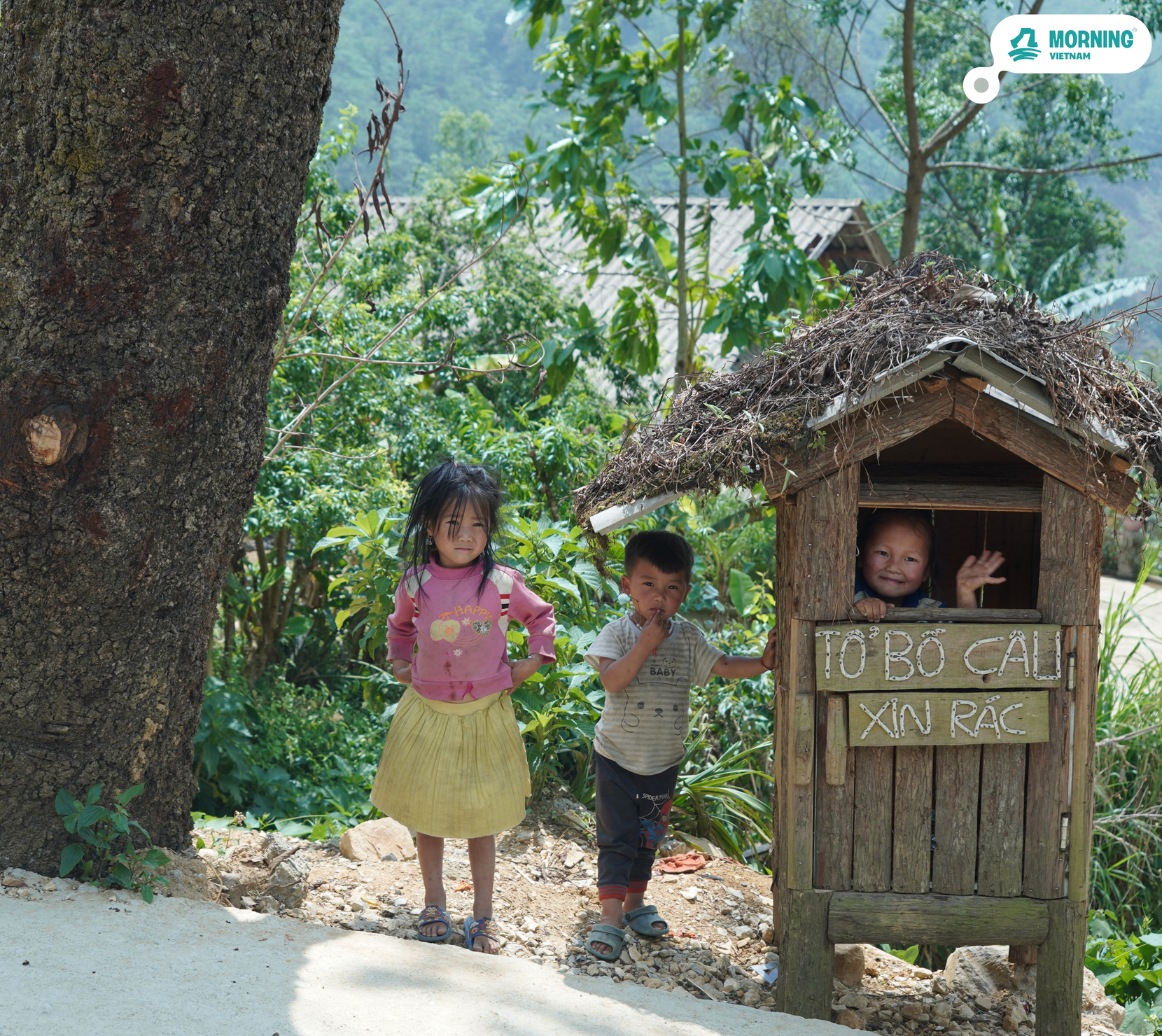
O Quy Hồ is only 45 kilometres from Sa Pa. But it might as well be a different country. The pass closes to coaches in bad weather. The villages on the Lai Châu side don't have gift shops — because gift shops require foot traffic, and foot traffic requires a road that buses can use. The homestay at Sì Thâu Chải doesn't have a check-in desk. The family just sets the table.
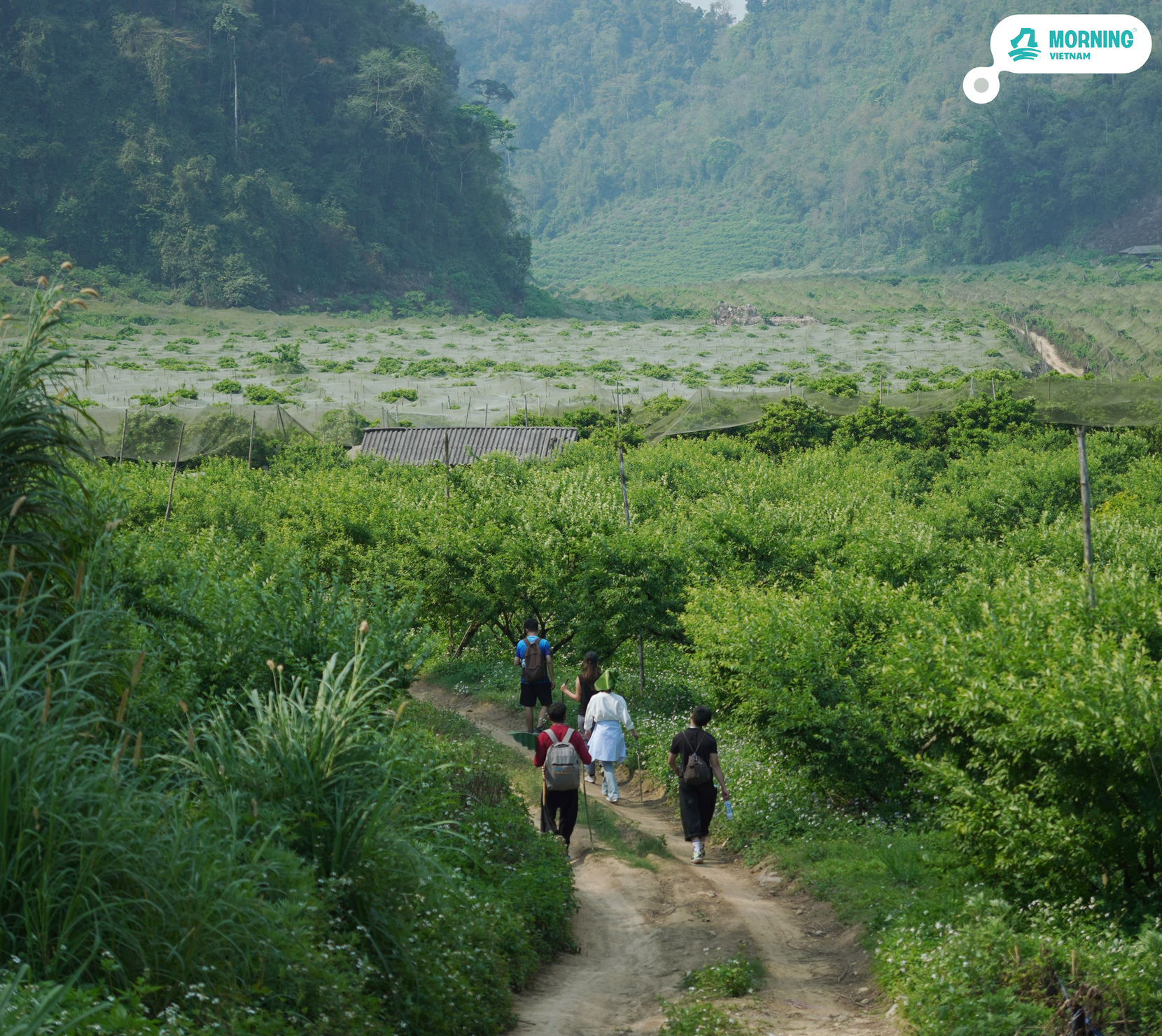
The jungle trek on Day 2 runs through primary forest above the valley. Six hours, one trail, lunch eaten sitting on tree roots in the middle of it. The glass bridge in the afternoon is the only infrastructure on the whole trip that feels like tourism. Everything else is just — the northwest, working the way it always has.
The journey
A day, mapped.
Time across, elevation up. Every spike is a moment worth remembering.
Pass
07:30 – 09:15
O Quy Hồ — Vietnam's Highest Mountain Pass
2,050 metres. Cloud forest on both sides. The final approach disappears into fog before the summit opens. Car: watch it through the window. Motorbike: feel every metre of altitude gain. Stop at the top as long as you want.
Cave
09:15 – 10:15
Tiên Sơn Cave · Bình Lư, Lai Châu
A limestone cave system in Tam Đường district, Lai Châu — stalactites, stalagmites, and an underground stream. On the Lai Châu side of the pass, off every standard Sapa tour.
Village
10:15 – 14:45
Lao Chải Hmong Village + Blacksmith Forge
A working H'Mông community, not a demonstration village. Explore with a local guide, then watch (and try) the traditional blacksmith forge — tools still made the same way they've been made for generations. The forge runs whether we visit or not.
Waterfall
16:15 – 17:45
Thác Tác Tình — Waterfall Swim
A two-tiered waterfall fed by highland streams in Lai Châu. The pool at the base is clean, cold, and chest-deep at the centre. 90 minutes of actual downtime — bring a swimsuit and use it.
Homestay
17:45 – 07:00
Sì Thâu Chải — Dao Village Overnight
A Dao (Yao) minority village never packaged as a tourist attraction. Homestay A Pao is a family home, not a guesthouse. Dinner is cooked in the kitchen next to where you sleep. In the morning the village is yours before anyone else wakes.
Trek
08:00 – 14:15
Tropical Forest Trek + Jungle Lunch
6h15 through primary tropical forest above the Lai Châu valley. ~450m elevation gain. Lunch cooked on the trail and eaten in the forest — no tables, no menus. The route connects two valley points unreachable any other way.
Bridge
15:30 – 18:30
Cầu Kính Rồng Mây — Dragon Cloud Glass Bridge
Opened 2023. 650m long, suspended at 900m above the Lai Châu valley. Glass floor over a 200m drop. Visit late afternoon and the mountains turn deep orange as the sun drops behind the ridge. One of the better sunsets in the northwest.
Your welcome pack
Everything in your bag has a reason.
On the night bus, your host hands you a Morning Vietnam pack. Each item was chosen for what two days at altitude and one night in a Dao village asks of you.
🥖
Pork Floss Bread · Bánh ruốc
A light breakfast that's very much a Vietnamese thing — soft bread, fluffy pork floss, zero pretension. The kind of snack that makes locals nostalgic and visitors confused in the best way.
🍘
Rice Cracker · Bánh gạo
Road snack. Crunchy, light, oddly addictive. Perfect for the stretch of highway where the scenery gets good and you need something to do with your hands.
🍬
Ginger Candy · Kẹo gừng
Vietnamese mountain roads don't do straight lines. This little candy does more for motion sickness than any pill — and it actually tastes good. Don't skip it.
💧
Water · Nước suối
To get you started. The day earns you a refill.
🪭
Paper Hand Fan · Quạt giấy
For the valley heat. Hand-painted. Yours to keep.
🧵
Brocade Bracelet · Vòng tay thổ cẩm
Everyone on the trip wears one. It's how you find your people at the Unlock Challenge — and a pretty decent souvenir that you didn't have to buy in a gift shop.
♻️
Recycled MVN Bag · Túi tái chế MVN
Everything we just gave you came in this. Because if we're going to hand you a welcome pack, we're going to do it without adding to the pile. Small choice. Matters anyway.

Signature format
The Unlock Challenge.
Every Morning Vietnam tour has one. A moment that turns your group from strangers into a team. You won't be told the rules — that's the whole point.
1
Wear the wristband
On the morning of the tour, your guide hands every traveler a Morning Vietnam wristband. It's how the game knows you're playing.
2
A clue enters the day
Somewhere during the trip — your guide won't say when — a card, a signal, or an object enters the picture. From that moment, the game has started.
3
Read it. Move on it. Together.
Your group has to figure out what to do next. No GPS. No guidance from the guide. Just eyes, instinct, and each other. Win or not, you'll remember this part.
Travelling solo or in pairs? The challenge adapts. The valley doesn't care how many of you there are — only that you're paying attention.
When to go
By season.
Mountain passes have seasons. Pick yours.
Best conditions Good, some haze Wet season — still doable
Best conditions (Oct – Apr)
Dry roads, maximum visibility on the pass, rice terraces gold in Oct–Nov. Cloud inversion in the Mường Hoa valley most mornings Jan–Feb — coffee above the clouds is as good as it sounds.
Wet season (May – Sep)
The pass can get slippery after heavy rain. We check road conditions every morning of departure. The jungle trek on Day 2 is actually better in light rain — the forest comes alive.
Real travelers, real reviews
4.9
Based on 32 reviews
5★29
4★2
3★1
2★0
1★0
⚠ Placeholder data — swap when real reviews available.
"Most tours feel like a museum on wheels. Morning Vietnam feels like a homecoming. The host didn't perform Vietnam — he let us in."
"Eight people, one van, three days. We have a WhatsApp group that's still active a year later. That's it. That's the review."
Your moment.
Your Vietnam.
Tours that don't perform the country to you — they let you in.
See all tours →Car or motorbike — which should I choose?
Car if you want to focus on scenery, villages, and people without managing a vehicle. Motorbike if you want to feel the altitude physically — the pass at 2,050m on two wheels is a different experience entirely. Same itinerary either way.
Do I need a motorbike licence?
Yes for self-ride — a valid licence with motorcycle endorsement is required. If you want to ride pillion (backseat with our guide), no licence needed. Let us know when booking.
What type of bikes do you use?
Semi-automatic 125–150cc Hondas, well-maintained and suitable for mountain roads. The same bikes locals use on these roads every day.
How hard is the jungle trek on Day 2?
Moderate. 6 hours on uneven forest trail with ~450m elevation gain. No technical sections — just long. Good footwear matters. If you can walk 3 hours comfortably, you can do this.
Do I need to be fit?
Moderate fitness recommended. Most activities are walking/cycling at a relaxed pace, but some sections may include 30–60 min of uphill.
What's included in the price?
All transport, all meals, accommodation (if multi-day), all activity fees, dedicated host. You only need spending money.
When do I pay?
Reserve your spot first — no payment upfront. Pay 14 days before departure. Free cancellation until then.
Be first to know.
Drop your email — we'll tell you the day this tour goes live. No spam, no marketing fluff.